Paint Sprayer vs. Paint Roller: Which Is Better for Your Project?
October 27 2026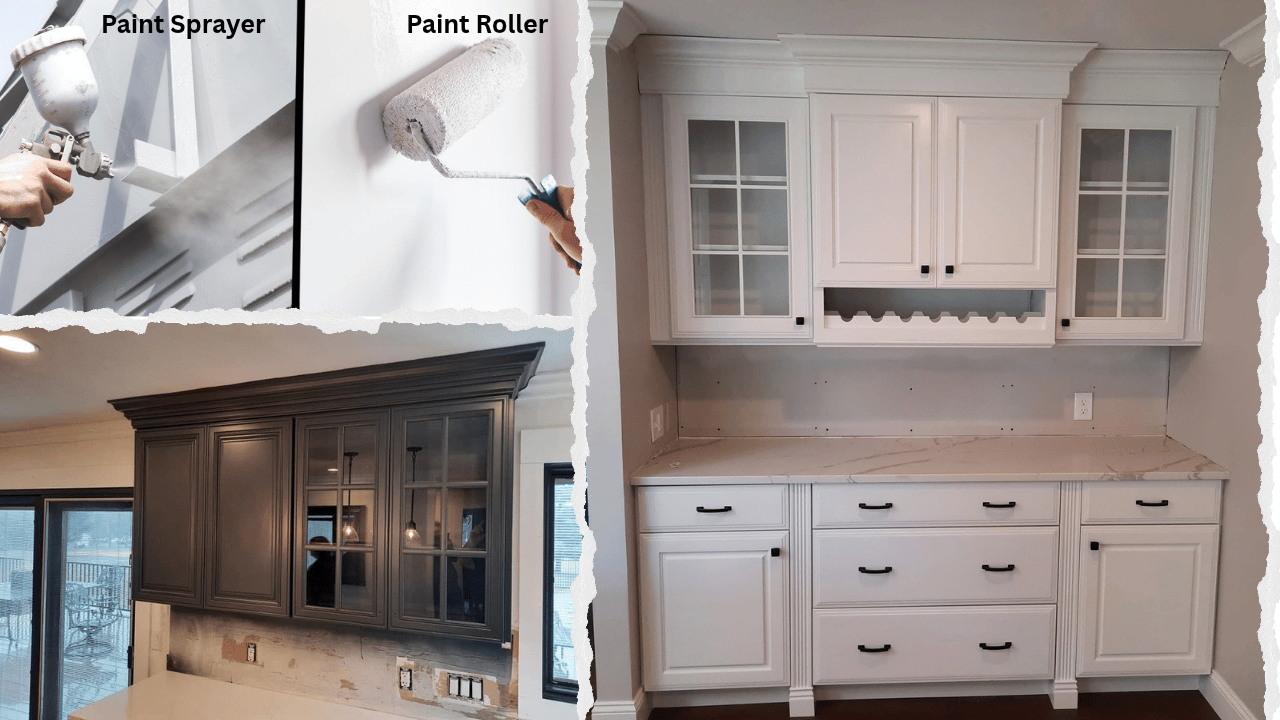
Choosing between a paint sprayer and a paint roller can make all the difference in the world when it comes to getting your painting project spot on. Both tools can be used to get professional results, but depending on the circumstance, one can be more suitable than the other. Some of the factors that can influence this decision include the surface to be painted, the size of the project, the finish required, and the time you have to devote to the project.
A paint sprayer can deliver a flawless finish on a surface and is perfect for intricate surfaces and large projects. Whereas a paint roller is a more accessible and inexpensive tool that can handle most of your painting needs. In this buying guide, we will compare a paint sprayer vs. a paint roller to highlight their various pros and cons, cost, and uses to help you learn which tool to pick.
What Is the Difference Between a Paint Sprayer and a Paint Roller? The Differences Are Covered Below
A paint sprayer is a device that dispenses paint in the form of a fine spray. A spray gun or nozzle is used to control the paint being dispensed onto the desired surface. They are great for covering big areas with paint uniformly. They are also useful for reaching into hard to get places and detailing the surface.
A paint roller is a tool made of a roller cover that rolls over the surface being painted, applying the paint directly onto it. Paint rollers give more control and are easier to use when applying paint on different surfaces like the ceiling and walls.
The main difference between the two tools is the technique used in applying the paint. One is faster while the other is more accessible to use.
Paint Sprayer vs. Paint Roller: Pros and Cons
Advantages of a Paint Sprayer
One of the advantages of a paint sprayer is that it is best applied during projects that require an even coat of paint or a complex shape to be painted.
Moreover, several other advantages, including
- quickly painting a surface,
- especially when there is a need to paint several doors, cabinets, fences, or other objects;
- an ultra-smooth finish, provided that the sprayer is adjusted correctly;
- painted details that are challenging to reach with a roller;
- versatile use for painting various surfaces, depending on the sprayer type and paint.
Advantages of a Paint Roller
The paint roller is a popular choice for home painting due to its ease of use and affordability.
Some of its advantages are as follows:
- Ease of use: One does not need any special skills to use a paint roller.
- Low equipment cost: The roller, covers, trays, and pole are all much cheaper than a paint sprayer.
- Less overspray: There is a reduced chance of paint getting on unwanted surfaces since the paint is applied directly onto the surface with the roller.
- Easy clean up: A roller can either be cleaned or thrown away depending on the type of paint used and the cover.
- Control: A roller is much easier to control making it ideal for painting walls and ceilings in the house or any other flat surface.
The main drawbacks are that rolling can take longer over large areas and may leave a visible texture. Rollers can also struggle to cover narrow grooves and intricate details evenly.
Which Is Faster: A Paint Sprayer or a Paint Roller?
A paint sprayer tends to be faster at actually painting than a roller. At the same time, not only the painting itself but the overall preparation and clean-up can take significantly more time.
For instance, you may have to spend hours cleaning the floor, the windows, the furniture, the trim, and everything else that needs to be painted before you even start. And then there’s the cleanup.
A roller requires less prep and is typically easier to use for a single room or a small job.
Which Tool Can Provide a Better Paint Finish?
Both tools can provide a decent paint finish, although the results may appear to be different.
Paint Sprayer Finish
The tool can provide a decent paint finish with fewer visible brush marks.
It can be used for painting cabinets, furniture, doors, and trim, as it provides a high quality of finish, which is desirable in these types of projects.
The final finish will depend on the following factors:
- Selecting the right spray tip or nozzle.
- Proper paint consistency.
- Proper spray pressure.
- Keeping the right distance while spraying.
- Proper coating with the required number of paint layers and drying time.
The wrong paint pressure, brush or spray pressure, distance, and others can lead to runs, drips, uneven coverage, and overspray.
Paint Roller Finish
A roller will produce a slightly textured finish depending on the type of roller cover used and the paint applied. This finish is perfect for most interior wall and ceiling surfaces.
To paint the surface well, one needs to use the appropriate roller cover for the surface to be painted, load the roller evenly with paint, and apply it to the surface with constant pressure. It is necessary to avoid excess paint on the roller so that the paint does not drip.
When painting cabinets or furniture, it is best to use a sprayer. But when it comes to walls, a high-quality roller will give a better result with less effort to prepare the surface.
When Should You Use a Paint Sprayer?
A paint sprayer is worth considering when speed, detailed coverage, or a smooth finish is a priority.
Common applications include:
- Kitchen cabinets and cabinet doors.
- Interior doors and decorative trim.
- Furniture and other detailed wooden surfaces.
- Fences and suitable exterior structures.
- Large painting projects involving multiple similar surfaces.
Before spraying, take precautions around the area and follow the instructions given by the equipment manufacturer. Wear the proper kind of respirators and eye protection and refer to the safety instructions of the paint product. Certain types of coatings and spray equipment may involve serious inhalation or injection risks and should only be used with appropriate equipment.
Paint Sprayer vs. Paint Roller: Which Should You Choose?
The best tool depends on your project requirements.
| Factor | Paint Sprayer | Paint Roller |
|---|---|---|
| Application speed | Often faster on large or detailed surfaces | Often practical for smaller, flat areas |
| Finish | Smooth finish with proper technique | Slightly textured finish |
| Initial cost | Generally higher | Generally lower |
| Preparation | Often requires extensive masking | Usually requires less masking |
| Cleanup | Can be more involved | Usually simpler |
| Best applications | Cabinets, doors, furniture, detailed surfaces | Walls, ceilings, and general home painting |
| Beginner-friendly | Requires practice | Generally easier to learn |
Conclusion: Choose the Right Painting Method for Your Project
When considering a paint sprayer vs. a paint roller, it is important to keep in mind that both methods have their advantages and disadvantages. One should recognize that for certain surfaces, large jobs, and finish quality, a paint sprayer is an optimal solution, whereas rollers are usually cheaper, user friendly, and suitable for most of the tasks associated with the walls.
Before using either of the two methods, one should stop and assess the surface to be painted, the job’s size, a budget, preparation work needed, and the quality of the finish. It will allow one to determine the preferred method and get better results without wasting time and energy on unnecessary procedures.
If one needs the help of a professional painter or wants to know which method is optimal for the task at hand, Mark Spray Painting can assist in that. Contact Mark Spray Painting to learn more about spray-painting options or to discuss the needs of the project and the client’s requirements.
Frequently Asked Questions
Is a paint sprayer better than a roller for interior walls?
Is a paint sprayer better than a roller for interior walls?
Not always. A sprayer can apply paint quickly, but it requires careful masking and technique. A roller is often more convenient for ordinary interior walls, particularly in furnished rooms or smaller spaces.
Does a paint sprayer use more paint than a roller?
Does a paint sprayer use more paint than a roller?
It can. Overspray and transfer losses may increase paint consumption, although the amount depends on the sprayer, spray technique, surface, and coating. A roller generally transfers paint directly to the surface with less airborne waste.
Can beginners use a paint sprayer?
Can beginners use a paint sprayer?
Yes. Beginners can use a paint sprayer by reading the manual, practicing on scrap material, selecting the correct settings, and preparing the area carefully. Start with a simple project before spraying detailed or expensive surfaces.
Which is better for painting cabinets?
Which is better for painting cabinets?
A paint sprayer is often preferred for cabinet doors and frames because it can produce a smooth, consistent finish. However, proper cleaning, sanding, priming, and masking are essential. A roller and brush can also work well when the right products and techniques are used.
Can I use a paint sprayer and a roller on the same project?
Can I use a paint sprayer and a roller on the same project?
Yes. Combining the two tools can be practical. A sprayer can handle doors, trim, and detailed surfaces, while a roller covers large wall areas efficiently. Choose the method that suits each surface.
Ready to Get Started?